


by The FINANCIAL – December 10, 2025
For much of modern history, orthopedic surgery has relied on precision, hardware, and long recoveries. The rhythm was familiar: a problem in the spine or joint would lead to imaging, diagnosis, and ultimately surgery. But in the last decade, a quiet revolution has begun. Instead of opening the body to fix what is broken, physicians like Dr. Michael Gerling are learning how to help the body repair itself.
At the center of this transformation is regenerative medicine, a field that uses biological materials such as platelets, stem cells, and exosomes to stimulate natural healing. It is not a replacement for surgery, but a powerful addition to the orthopedic toolkit. For many patients, it offers a way to restore mobility and reduce pain without the risks and downtime of invasive procedures.
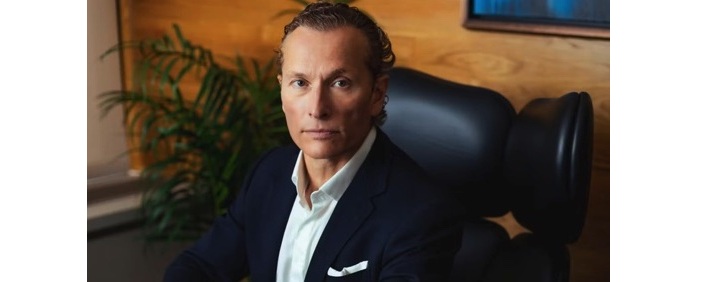
Michael Gerling MD, a respected orthopedic and spine surgeon based in New York, has been one of the leading figures bringing these therapies into clinical practice. His vision combines decades of surgical experience with the belief that nature often provides the best blueprint for recovery. “Our bodies are built to heal,” he says. “Regenerative medicine helps us remind the body how to do what it was designed to do.”
This philosophy has led to a new kind of orthopedic care that blends innovation with biology. The treatments offered at The Gerling Institute, his multidisciplinary center for spine and musculoskeletal health, use the patient’s own cells to promote regeneration in tissues that were once thought to be permanently damaged. Platelet-rich plasma, for example, is drawn from a patient’s blood and concentrated to deliver growth factors directly to injured tissue. Similarly, stem cell injections can stimulate cartilage and disc repair, sometimes avoiding the need for surgery altogether.
The results are compelling. Many patients who once faced complex spinal surgeries now experience relief through minimally invasive biologic procedures performed in an outpatient setting. The healing process is still monitored with the same rigor as traditional surgical recovery, but the body often does the heavy lifting on its own.