



News Provided By: Persistence Market Research Pvt Ltd –
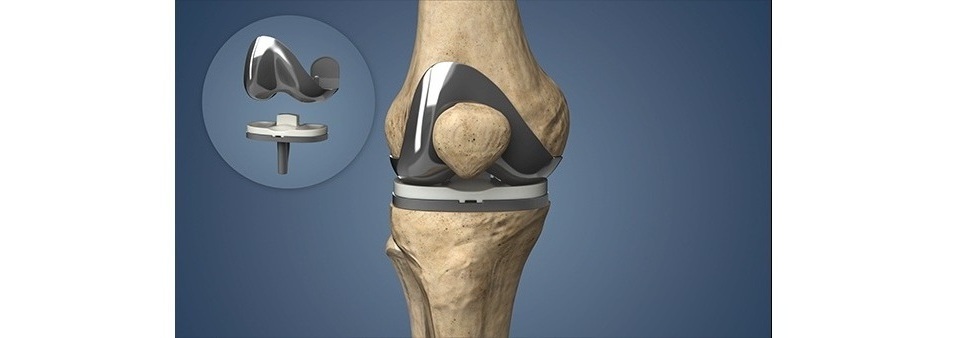
The knee reconstruction devices market is growing steadily, driven by aging populations, increasing osteoarthritis, and technological advancements in surgical.
LONDON, UNITED KINGDOM, February 18, 2026 /EINPresswire.com/ — The global knee reconstruction devices market is projected to grow from a size of US$ 1.8 billion in 2026 to US$ 2.6 billion by 2033, with a compound annual growth rate (CAGR) of 4.9% between 2026 and 2033. Several key factors are contributing to this steady growth, including the rapidly increasing aging global population, higher osteoarthritis prevalence, advancements in cementless fixation systems, and expanded access to ambulatory surgical centers (ASCs).
Download Your Free Sample & Explore Key Insights: https://www.persistencemarketresearch.com/samples/33954
Market Dynamics
Drivers: Rising Prevalence of Osteoarthritis and Demographic Aging
One of the primary drivers of the knee reconstruction devices market is the global rise in knee osteoarthritis diagnoses. The World Health Organization (WHO) reports that over 344 million individuals worldwide suffer from osteoarthritis, with the majority being older than 55 years. By 2040, an estimated 78 million adults in the U.S. will have doctor-diagnosed arthritis, primarily affecting the knees. The aging population is further contributing to the demand for knee reconstruction devices, as the number of people aged 65 and older is projected to reach 1.5 billion by 2050.
The American Joint Replacement Registry (AJRR) indicates that the U.S. alone sees over 600,000 knee replacement surgeries annually, making knee reconstruction one of the most commonly performed surgical procedures globally. This growing number of patients in need of knee reconstruction directly boosts demand for knee reconstruction devices, especially in both developed and developing economies.
Technological Innovation in Implant Design and Robotic-Assisted Surgical Systems
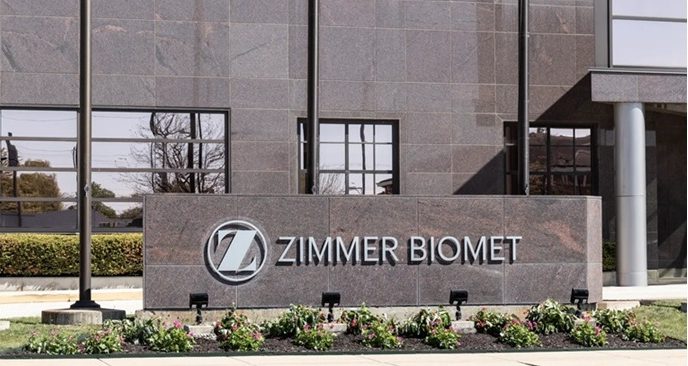
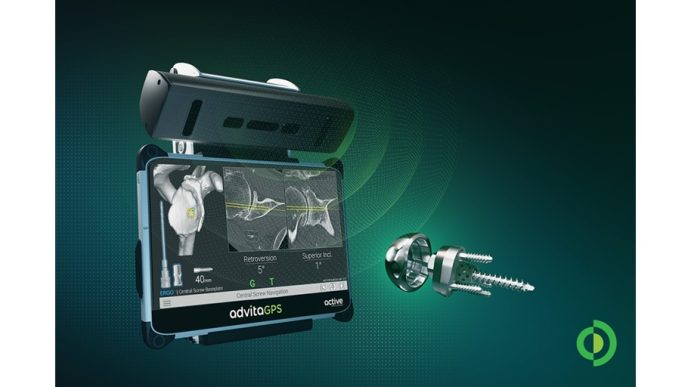
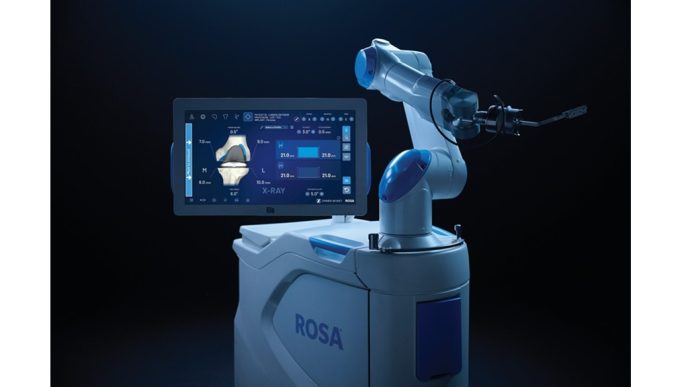
Technological advancements in implant design and the adoption of robotic-assisted surgery have revolutionized the knee reconstruction landscape. Robotic-assisted total knee arthroplasty (RA-TKA) is becoming increasingly common, with over 44% of knee replacements in the U.S. incorporating robotic systems. By 2030, it is expected that 70% of knee replacements will utilize robotic assistance. Robotic platforms like Stryker’s MAKO, Zimmer Biomet’s ROSA Knee System, and Smith & Nephew’s CORI system help achieve greater precision in surgical procedures, offering enhanced patient-specific guidance.
These systems improve component alignment to within 0.1 millimeters and 0.1 degrees, contributing to reduced complications, faster recovery times, and fewer revisions. With robotic systems helping to improve patient outcomes and surgical precision, the market for knee reconstruction devices is set for significant growth.
Restraints: High Cost Barriers and Reimbursement Limitations
Despite the growth prospects, high costs and reimbursement limitations remain significant barriers in emerging economies. Knee reconstruction procedures, including implant costs, advanced surgical tools, and skilled orthopedic surgeons, can be unaffordable for a significant portion of the population, especially in low- and middle-income countries. Public healthcare systems in many of these regions often provide limited coverage for elective surgeries, further hindering adoption.
Additionally, the high cost of robotic-assisted surgeries and premium implants may not be covered by insurance in some countries, deterring patients from opting for timely surgical intervention. Hospitals in emerging economies may also hesitate to invest in expensive technologies due to uncertain returns on investment, limiting market growth in these regions.
Get Custom Insights Designed for Your Business: https://www.persistencemarketresearch.com/request-customization/33954
Infection Complications and Post-Operative Revision Risks
Infection complications and post-operative risks, such as implant failure, are also major concerns in the knee reconstruction devices market. Although infection rates are relatively low, they can lead to prolonged hospital stays and additional treatments. Surgical site infections, as well as the risk of implant loosening, wear, or misalignment, increase the likelihood of revision surgeries, which are costly and clinically challenging. These risks can discourage patients from undergoing knee reconstruction, especially in resource-limited settings.
Opportunities: Cementless Implants and Advanced Surface Coatings
Cementless implants are a growing segment in the knee reconstruction devices market. These implants, designed to promote bone growth into the implant, offer long-term stability, especially in younger and more active patients. Cementless implants eliminate the need for bone cement, which can degrade over time, potentially compromising implant fixation.
Regional Insights
North America
North America holds the largest share of the knee reconstruction devices market, accounting for 41% in 2025. The region benefits from advanced healthcare infrastructure, a large geriatric population, and widespread adoption of innovative technologies such as robotic-assisted surgery. Medicare reimbursement policies further support the growth of knee replacement procedures in ambulatory surgical centers, making procedures more affordable. With continuous product innovation and high adoption rates of robotic-assisted surgeries, North America will continue to be a dominant player in the knee reconstruction devices market.
Asia-Pacific
The Asia-Pacific region is the fastest-growing market for knee reconstruction devices, with China and India being key contributors. In China, there are over 265 million people aged 60 and older, while India performs around 200,000 knee replacements annually at significantly lower costs. This region is also seeing increased government investments and improvements in domestic manufacturing, which will drive further adoption of knee reconstruction devices. Despite challenges like high costs and limited insurance coverage, the growing elderly population and expanding healthcare access will foster market growth in Asia-Pacific.
Checkout Now & Download Complete Market Report: https://www.persistencemarketresearch.com/checkout/33954
Market Segmentation
By Product
Cemented Implants
Cementless Implants
Partial Implants
Revision Implants
By Indication
Osteoarthritis
Rheumatoid Arthritis
Trauma
Others
By End-user
Hospitals
Ambulatory Surgical Centers
Orthopedic Clinics
By Regions
North America
Europe
East Asia
South Asia & Oceania
Latin America
Middle East & Africa
Read Related Reports:
Outsourced Clinical Trials & Formulation Market: Growing R&D outsourcing boosts the clinical trials & formulation market from US$15.7B in 2025 to US$24.7B by 2032, advancing at a 6.7% CAGR.
Medical Image Exchange Systems Market: The Medical image exchange systems grow from US$4.4 Bn in 2025 to US$7.2 Bn by 2032, driven by a 7.4% CAGR and rising demand for seamless data sharing
Persistence Market Research
Persistence Market Research Pvt Ltd
+1 646-878-6329
email us here
Visit us on social media:
LinkedIn
Instagram
Facebook
YouTube
X
Legal Disclaimer:
EIN Presswire provides this news content “as is” without warranty of any kind. We do not accept any responsibility or liability for the accuracy, content, images, videos, licenses, completeness, legality, or reliability of the information contained in this article. If you have any complaints or copyright issues related to this article, kindly contact the author above.